Shopping Cart
There are no more items in your cart


Is 25 too old to learn to surf? Age, tips and what to expect


Whether you're wondering if 25 is too old to learn to surf or you've delayed your first session for years, this article cuts through the noise. You’ll find practical guidance on beginner surf lessons, board choice, physical preparation and realistic progress: everything a motivated adult needs before paddling out for the first time.
Is 25 too old to learn surf?
The short answer is no. Not even close. Surf schools around the world teach complete beginners across a wide age range, and the belief that you have missed your chance by your mid-20s remains one of the most persistent common myths about learning to surf.
Age is not a barrier
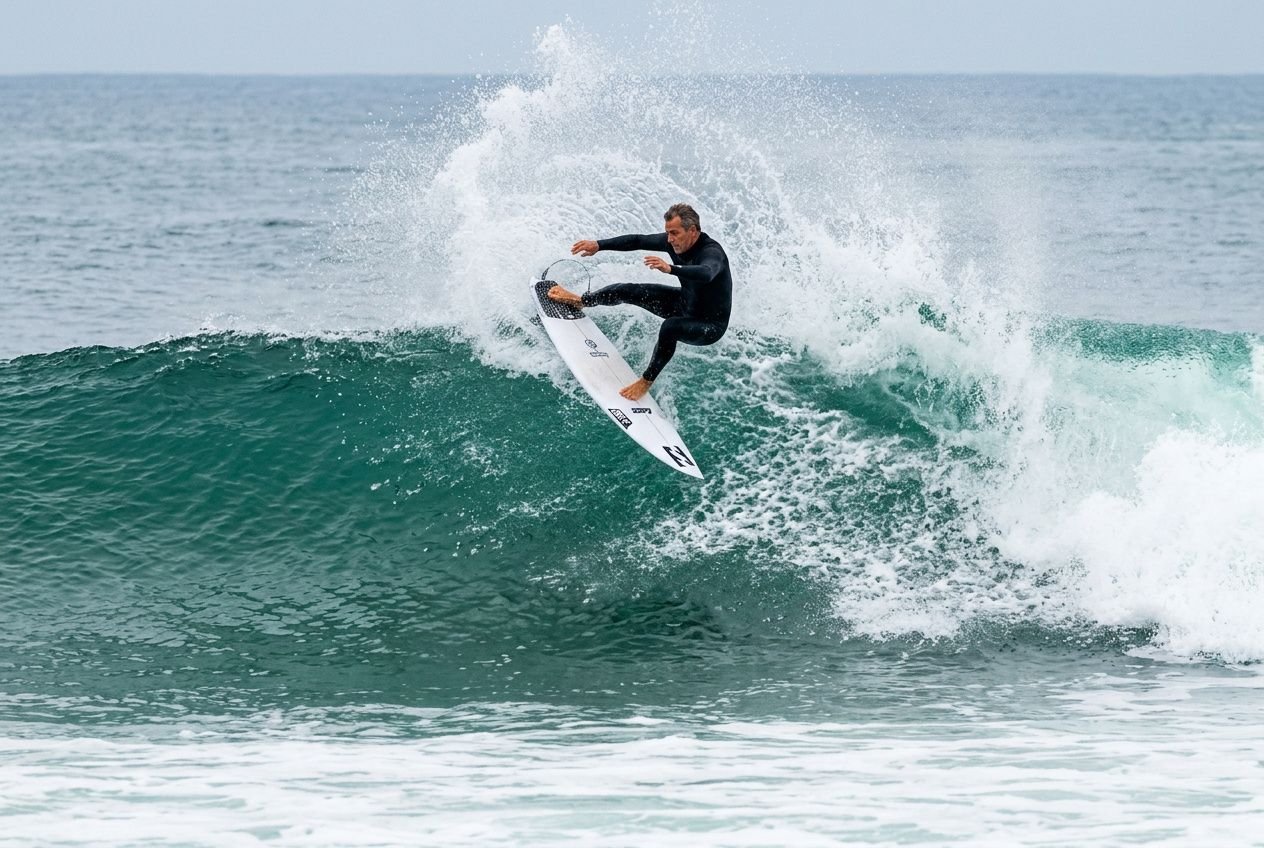
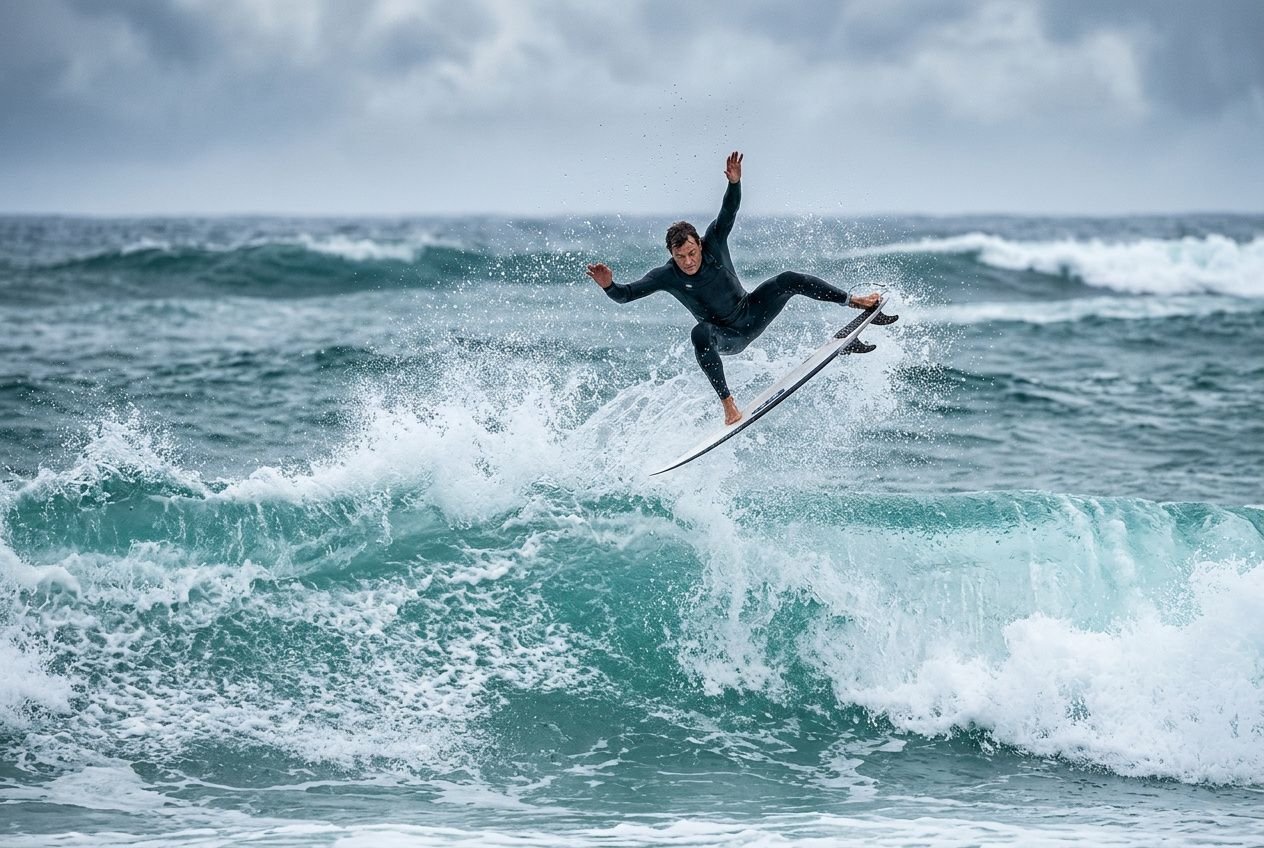
People learning to surf span a remarkable age range. One surf school teaches women aged 8 to 88, while first lessons have been given to people in their late 60s. That makes the question of whether 25 is too old to learn to surf a doubt, not a fact. More than 30% of guests at one surf organisation are over 40, so adult beginners are a normal part of any line-up.
- No age limit The surf community sets no upper threshold. Nobody in the line-up checks how long you have been riding waves or when you started.
- Genuine prerequisites Determination, suitable coaching, reasonable general health and confidence in open-water swimming are the only real entry requirements.
- Adult advantages Focused listening, sensible risk assessment, intrinsic motivation and emotional resilience after a difficult session can give adult learners a useful edge over younger beginners.
A 35-year-old who commits to regular practice and qualified instruction can make meaningful progress. Worrying about looking inexperienced in the water is a greater obstacle than the number on your passport, and that concern usually fades quickly once you are standing on the board.
Why adults learn well
Neuroscience supports this view: the adult brain retains substantial learning capacity through neuroplasticity, and a new physical activity such as surfing can engage it strongly. Adults in their 20s and 30s also tend to understand technical sequences more quickly than children because education and work experience develop pattern recognition. On forums where people discuss whether 25 is too old to learn to surf, experienced coaches and adult learners usually reach the same conclusion: start now.
That advantage extends to the way you practise. The adult prefrontal cortex supports working memory and deliberate skill acquisition, so you can analyse your pop-up, respond to an instructor’s feedback within a session and transfer learning between outings. A child may rely more heavily on repetition. As an adult, you can begin a budding surf journey with physical ability and intellectual engagement working together.
What beginner surfing lessons involve
Arriving for your first surf lesson without knowing what to expect can create unnecessary anxiety. A well-structured beginner session is methodical, safe and more enjoyable than the wipeout clips often seen online. Understanding the format helps you bring realistic expectations and make better use of every hour in the water.
Your first sessions
If you are 25 and wondering whether you are too old to learn to surf in the UK, the growing number of adult surf schools along British coastlines provides a clear answer. From Cornwall to Pembrokeshire, structured beginner programs welcome complete novices of every age. Your first session usually covers sea safety, board handling and catching small whitewater waves in shallow, controlled water. The aim is to build confidence, not perform.
Most first-time learners stand on a foam board during their opening lesson. That progression takes time, which is where quality surf coaching earns its value.
Building on that coaching value, each session can still teach you something new, even when conditions are imperfect. That variability is part of the learning experience, while patience becomes a genuine skill alongside your physical technique.
Realistic learning milestones
Progress in surfing rarely follows a straight line, and individual rates vary considerably. Fitness, comfort in the water and consistency matter much more than age. One session per week generally produces noticeable improvement over two to three months. By contrast, surfing only once a year usually maintains your current level rather than building on it, because the gap between sessions is too long for technique to settle.
Moving from whitewater to catching unbroken green waves usually takes several dedicated surf trips, not a few casual afternoons. A useful milestone is taking off cleanly on a green wave and angling down the line with control. Once you can do that consistently, you are no longer a raw beginner; you are a developing surfer with genuine ocean awareness.
| Stage | Typical timeline | Key focus |
| Standing up in whitewater | First 1–2 lessons | Pop-up technique, balance |
| Consistent whitewater rides | Weeks 1–6 | Paddling strength, timing |
| Catching green waves | 2–4 months (weekly sessions) | Wave reading, take-off angle |
| Angling down the line | 4–6+ months | Foot positioning, weight distribution |
Consistency builds confidence
The difference comes down to frequency. A surfer who gets into the water regularly develops instinct, timing, and physical conditioning together. Even imperfect conditions help. Every repeated paddle out reinforces muscle memory. Sporadic sessions may still be enjoyable, but they reset that process and can stretch the learning curve across years instead of months.
Frequency is only part of the picture. Give each outing a specific focus, such as improving your paddle timing or refining your stance. This approach to practice builds skill deliberately, and it is the right choice when you want steady progress.
Choose the right surf board
Your board choice at the start shapes everything: how many waves you catch, how quickly you progress and how safe your wipeouts feel. It is worth knowing before you buy, because the most common beginner mistake costs both money and momentum. Start with enough volume and the rest follows more naturally.
Why volume matters
High-volume surfboards provide buoyancy, stability and more forgiving wipeouts. An 8 to 10-foot foam soft-top longboard remains the standard recommendation for adult beginners, and many instructors favour a 9-foot, extra-wide shape. More volume means catching more waves, which gives you more repetitions of the paddle, pop-up and stance. That repetition drives improvement.
- Soft-top foam deck This reduces impact during wipeouts and forgives small weight-distribution errors, making early sessions safer and less intimidating for a new adult learner.
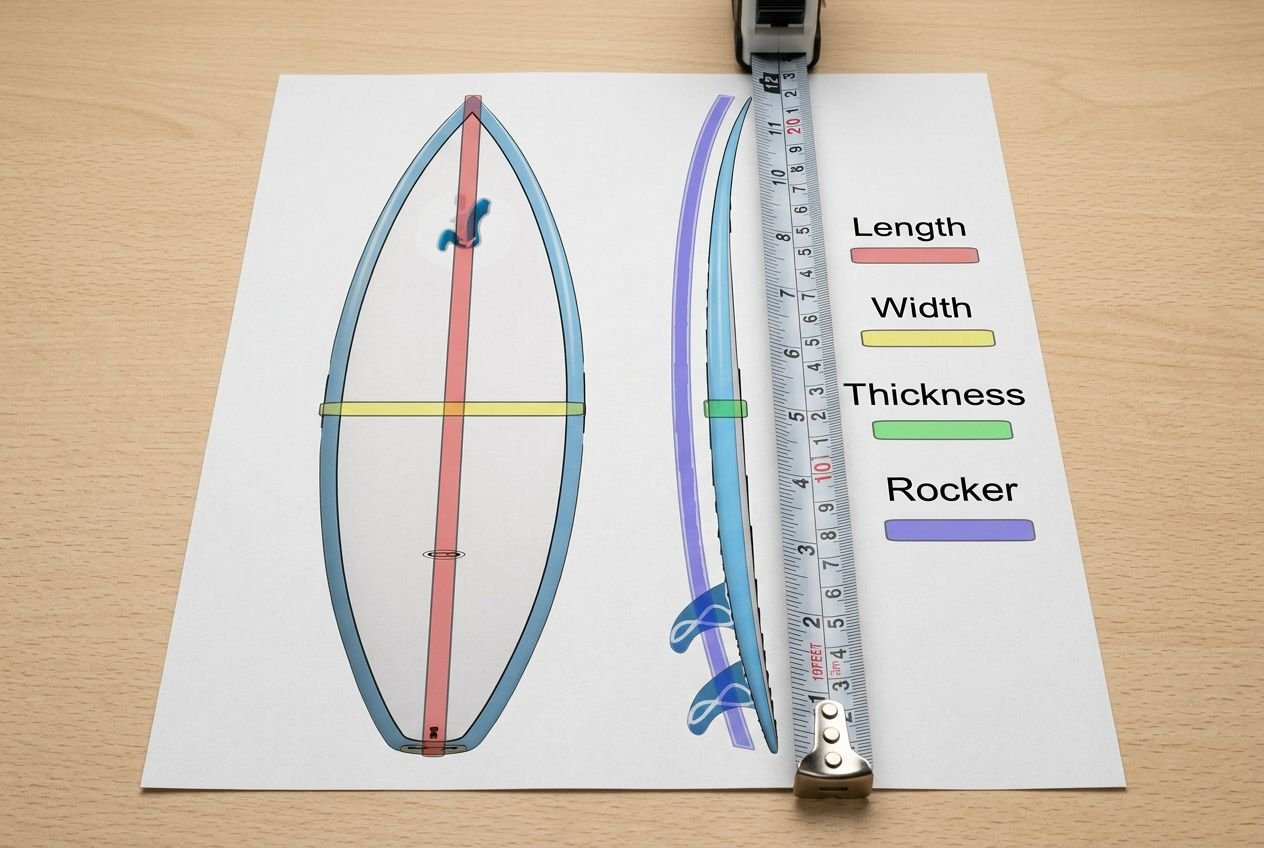
- Length and width A longer, wider outline improves stability on the wave face and makes catching waves easier while your technique develops. The NSP P2 Soft Surf Wide softboard is a strong example.
- Hiring before buying If you are drawn to a narrower or shorter shape, hire it first. That lets you test whether your current ability matches the board’s demands before you commit to buying.
Moving to a shortboard too early is one of the surest ways to stall your progress. Fewer waves mean fewer chances to practise. Once your pop-up is consistent and you are regularly catching green waves, moving to a smaller shape becomes a natural step rather than a frustrating struggle. The Catch Surf Skipper and the Catch Surf Odysea Pro Job offer volume with slightly more performance, helping you bridge that transition. Mundo-Surf carries a range of soft-tops for beginner and developing surfers, with real stock availability and 100-day returns if your first choice does not suit your progression.
Build surf fitness first
The physical demands of surfing are easy to underestimate before your first session. Paddling requires sustained upper-body endurance, while the pop-up calls for explosive leg strength and hip mobility. Tight hips and shoulders, often caused by sedentary routines, limit your range of motion on the board and can slow an otherwise capable learner. A four-to-six-week preparation phase makes a noticeable difference.
- Swimming laps This builds paddling-specific endurance and water confidence, helping you stay in the water for longer, more productive sessions without tiring too soon.
- Yoga and mobility work This targets hip and shoulder flexibility, both essential to a reliable pop-up. Consistent stretching before surfing can improve your wave-riding mechanics.
- Core and push-up training Progressive push-up work strengthens the muscles used in the pop-up, while core exercises help stabilise your stance once you are on the wave face.
This preparation is not about becoming an elite athlete. It is about arriving at your first lesson physically ready to enjoy it rather than feeling exhausted after twenty minutes. The fitness baseline you build during those weeks affects how much you absorb in each water session. Pre-existing shoulder or knee issues need careful management, but they rarely rule out surfing when you have proper guidance and suitable modifications.
Recommended products
Surf safely as a new surfer
Safety in the surf is not optional knowledge to pick up gradually. It is the foundation for everything that follows. That keeps you and other surfers out of trouble, and on the water, that matters more than technical skill during your first months.
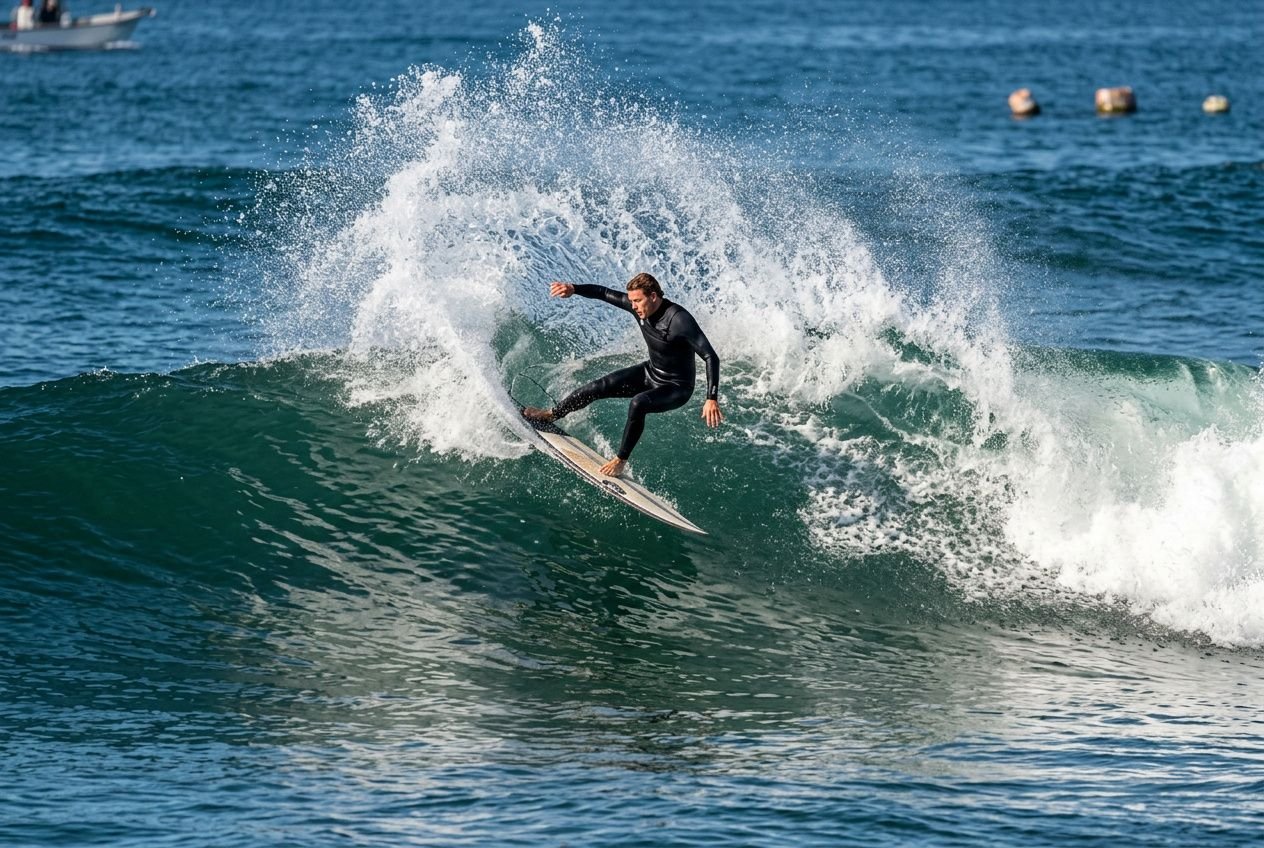
Read conditions before paddling
Spend five minutes watching the ocean before you paddle out. This simple habit helps a new surfer judge where to enter, where to sit, when to paddle and when to stay on the beach.
- Wave height In surf of three feet and under, wipeouts usually carry fewer consequences.
- Rip currents Learn to identify the visual signs of a rip: discoloured water, foam lines moving seaward and a choppy surface texture. If caught in one, swim parallel to the shore to escape its strongest flow.
- Tides and swell Tides can change the shape and power of a break significantly. A wave that suits beginners at low tide may become dangerous at high tide, so check the forecast before every session.
- Four feet and above At this height, mistakes have more noticeable consequences. Move into these conditions slowly, go with a more experienced friend and understand where to position yourself before paddling out.
Building on those habits, swimming ability and comfort in open water are genuine prerequisites. If you are not yet a confident swimmer, address that before booking a surf lesson. Professional instruction begins in small, gentle whitewater because controlled exposure develops both skill and confidence without overwhelming you during your first learning sessions.
Learn etiquette and wipeout skills
Surf etiquette is the set of right-of-way rules that keeps shared breaks functional and safe. The surfer closest to the peak of a breaking wave has priority. Dropping in means taking off in front of a rider already on the wave; it is dangerous and unwelcome in any line-up. Learning these rules before entering busier spots shows respect for surf culture and protects everyone in the water.
Wipeouts are not signs of failure. They are a normal part of every beginner’s progression, and handling them is a skill you can learn. Fall flat on the water rather than diving headfirst, cover your head with your arms as you surface and check for your board before swimming back to it. Practise these habits deliberately from your first session.
Choose qualified coaching
An ISA-certified instructor, or the national equivalent, provides real-time feedback and helps prevent poor habits becoming ingrained technique. This is especially valuable for an adult beginner: adults often repeat movement patterns consistently, so a technical error can become deeply embedded before anyone corrects it. Personalised coaching from an instructor experienced with adult learners can be more effective than a large group.
Start learning surf with confidence
The psychological side of learning to surf as an adult is as real as the physical challenge. You may feel self-conscious, compare yourself with experienced surfers or worry about slowing a group down. The right mindset and a supportive environment remove obstacles that have little to do with ability.
Make practice purposeful
If you are in your 20s and wondering whether you can pick up surfing quickly, the answer depends largely on how structured and consistent your practice is. Unfocused water time brings slower results than a session with a clear purpose. Before you paddle out, choose one skill to develop: efficient paddling, pop-up timing or catching a wave at the right moment. That focus turns each session into active learning rather than simple recreation.
- Focused session goals: Choose one technical priority for each outing, such as stance width, paddle depth or wave selection. Review it honestly afterwards instead of judging the whole session by wave count.
- Recovery awareness: Include rest days after demanding sessions. Accumulated fatigue reduces coordination and raises injury risk, so recovery is part of effective training rather than a compromise.
- Frequency targets: Four to five sessions per week can produce rapid gains when conditions and recovery allow. Even two consistent outings per week, maintained over several months, can deliver meaningful progress without burnout.
The same logic applies to asking questions during and after lessons. Adult learners who ask an instructor why a technique works, rather than only how to perform it, build a deeper movement model that transfers across different wave conditions. That understanding helps surf decisions become instinctive instead of deliberate and tiring.
Keep surfing fun
Every competent surfer in the line-up was once a beginner, paddling awkwardly, missing waves and falling in shallow whitewater. Feeling comfortable as a novice is not weakness; it is what keeps you in the water long enough to improve.
Joining fellow learners can change the emotional side of the activity. Shared sessions ease anxiety, provide practical encouragement and often lead to lasting friendships. Organisations such as Surfability UK and The Wave Project also offer structured surf opportunities for people with disabilities or additional needs, showing how inclusive the sport can be with appropriate support.
Alongside technical goals, surfing supports physical fitness, mental wellbeing and regular time outdoors. Those benefits build as your skill develops. Mundo-Surf's range of beginner-suitable surfboards, fast shipping and 100-day returns policy let you choose a suitable setup without taking unnecessary budget risk.
Frequently Asked Questions
There is no age at which it is genuinely too late to begin surfing. First surf lessons have been given to people in their late 60s, and motivated adults in their 70s and 80s may still learn if they are medically able to do so. The real prerequisites are determination, confidence in open-water swimming, reasonable general health and suitable coaching; none is limited by age. Medical clearance is strongly advisable for anyone over 50 or for those with pre-existing shoulder or knee problems, although these conditions are not automatic disqualifiers. The only real barrier is choosing not to start.
Most first-time learners stand up on a foam board during their first beginner lesson. That is a different skill from riding along the face of an unbroken green wave. Moving from whitewater to green waves typically takes several dedicated surf trips over two to three months, supported by consistent weekly sessions. Progress depends on fitness, comfort in the water and practice frequency; surfing only once or twice a year usually maintains your level rather than building it. A sensible milestone is to take off cleanly on a green wave and angle down the line under control.
Yes, directly. Core strength and upper-body endurance support repeated paddling throughout a session, while leg strength and hip mobility make the pop-up more reliable. Tight hips and shoulders caused by sedentary habits reduce your range of motion on the board, limiting technique regardless of coaching quality. A four-to-six-week preparation phase that combines swimming laps, mobility-focused yoga, core work and progressive push-ups can measurably improve what you absorb during early sessions. Fitness does not replace ocean practice, but it determines how much value you gain from each session.
Share this article: