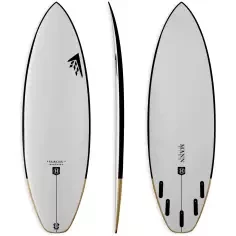
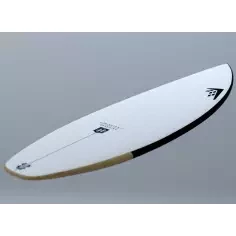
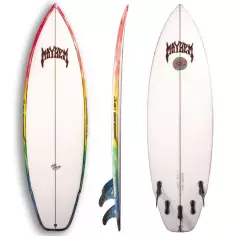
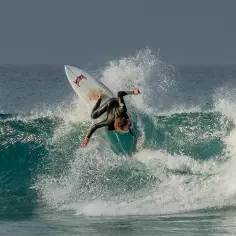
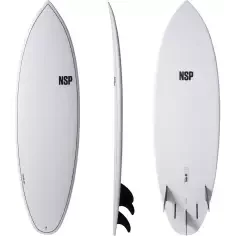
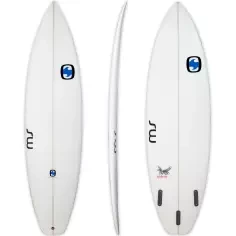
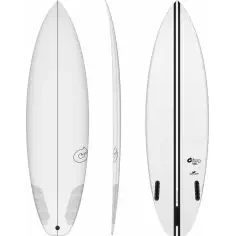
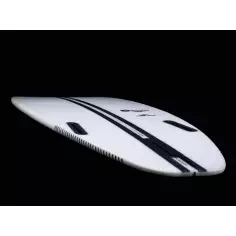
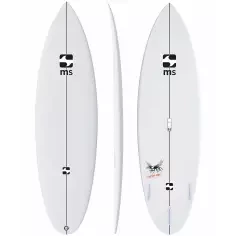
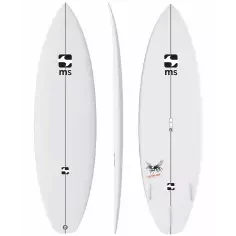
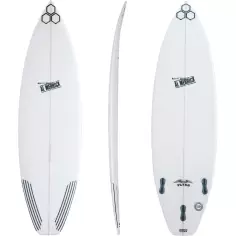
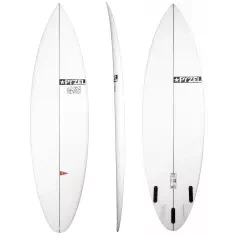
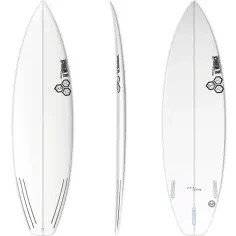
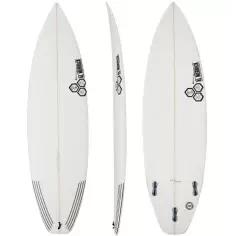
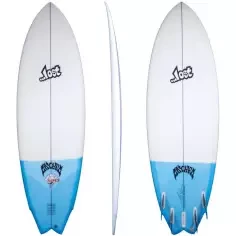
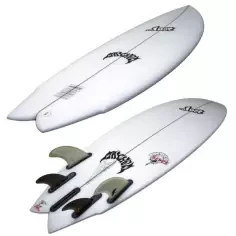
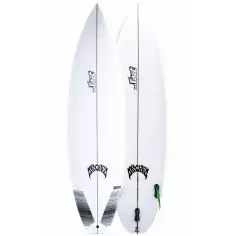
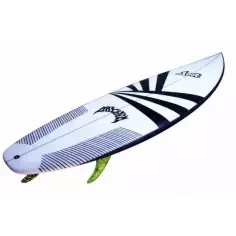
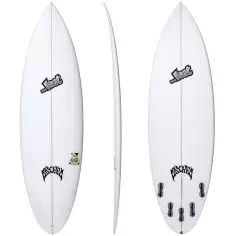
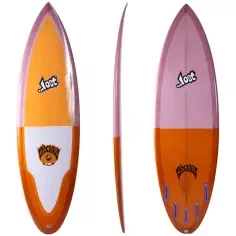
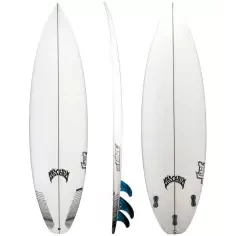
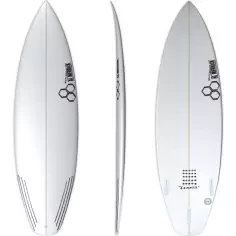
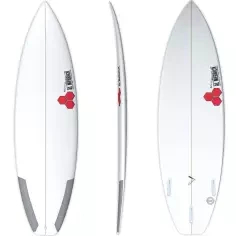
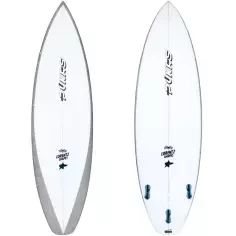
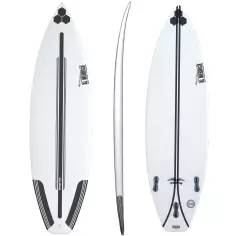
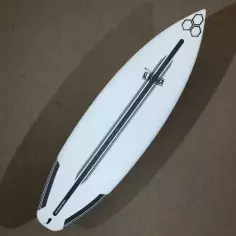
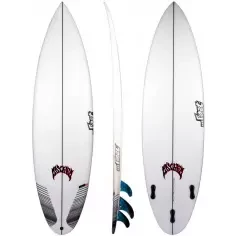
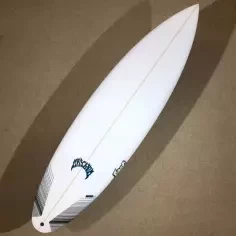
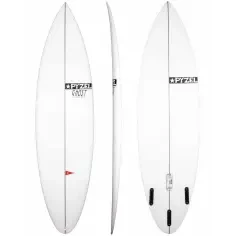
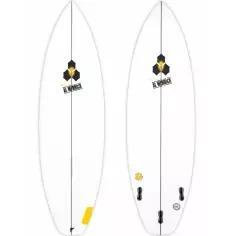
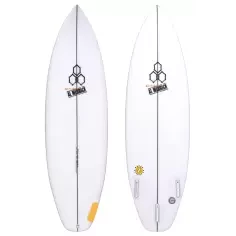
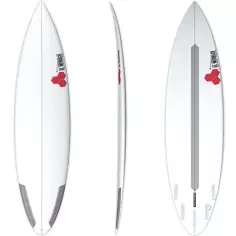
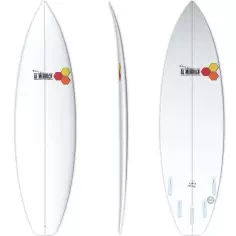
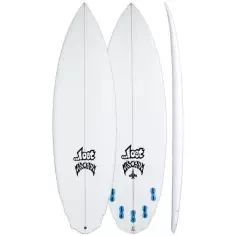
The shortboard-type surfboards are high-performance boards designed to deliver maximum speed, grip, and maneuverability in waves of considerable size and power. They are reserved for experienced surfers who have solid technique and good physical conditioning. Only with these skills will you truly get the most out of a board of this shape.
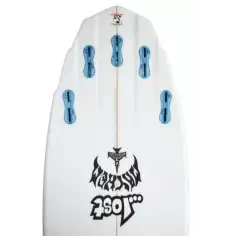
What makes the difference here is the technical setup of these surfboards. They typically come equipped with thruster or squash fins, which optimizes speed and maneuverability. The most common materials are EPS, epoxy, and fiberglass, each with different implications for price, durability, and buoyancy.
Buying guide: shortboards for high-performance surfboards
How to identify a shortboard when buying?
Shortboards are recognized for being the narrowest among all surfboard models. Their maximum width is shifted towards the middle of the board, with a pointed nose and a narrow tail for better grip in powerful waves. Their thickness also tends to be very low, which reduces the overall weight.
Key specifications of a shortboard
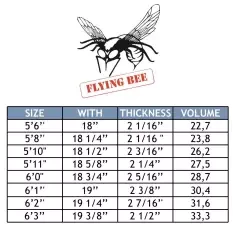
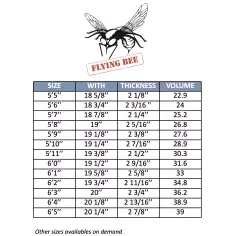
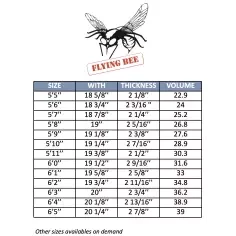
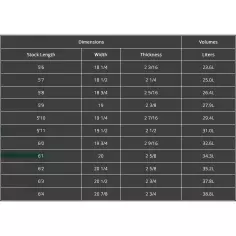
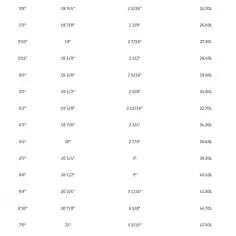
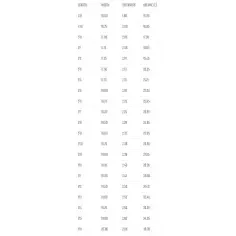
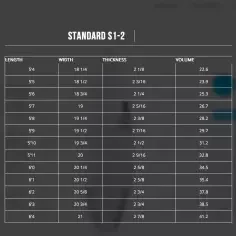
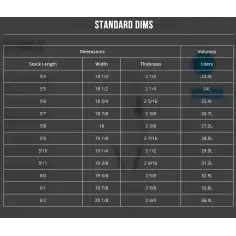
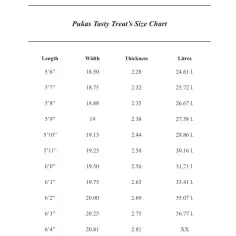
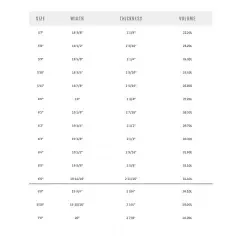
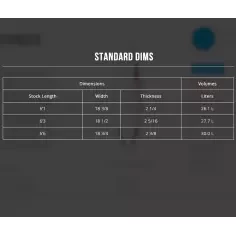
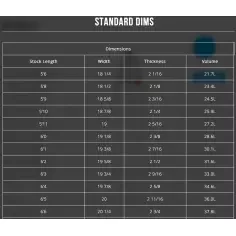
The typical length ranges from 5'0" to 6'3", although this depends on your height and weight. The volume generally ranges between 24 and 32 liters for adults, a low range that requires good balance and strong paddling.
In practice, the thickness of the board directly affects buoyancy and responsiveness. The fin boxes (usually Futures or other standard systems) determine fin compatibility. The tail shape influences stability and speed depending on each board’s specific design.
Materials and price when choosing a shortboard
EPS surfboards offer the best price–durability ratio and are ideal for exploring the limits of a shortboard. Epoxy boards are lighter and stronger, with a higher price tag. Traditional fiberglass provides excellent feel but requires more careful maintenance.
Experience levels and suitable waves
If there is one key point: a shortboard requires waves with enough height and consistency, preferably starting from about 1.5 meters (around 5 ft). They are not boards for beginners or for tiny waves; you need experience in paddling and balance before making the transition.
Things to keep in mind when comparing options: a standard thruster (3 fins) is versatile and predictable. A fish offers more speed and buoyancy in small to medium waves. The shape determines how the board responds to your technique and to the specific characteristics of each wave.