Shopping Cart
There are no more items in your cart


How to take care of wetsuits: neoprene care guide


Salt starts to crystallize inside your neoprene wetsuit mere hours after a session, which significantly shortens its lifespan. Regular rinsing and thorough drying after each use are fundamental to your suit's longevity. This guide walks you through proper wetsuit care to keep it flexible and functional for seasons to come.
How to wash your wetsuit after every surf session
Rinsing your gear with fresh water right after you get out of the water is non-negotiable. Leftover salt and sand accelerate wear, stiffen zippers, and lead to persistent odors. Knowing how to wash your wetsuit correctly is your best defense against this kind of irreversible damage.
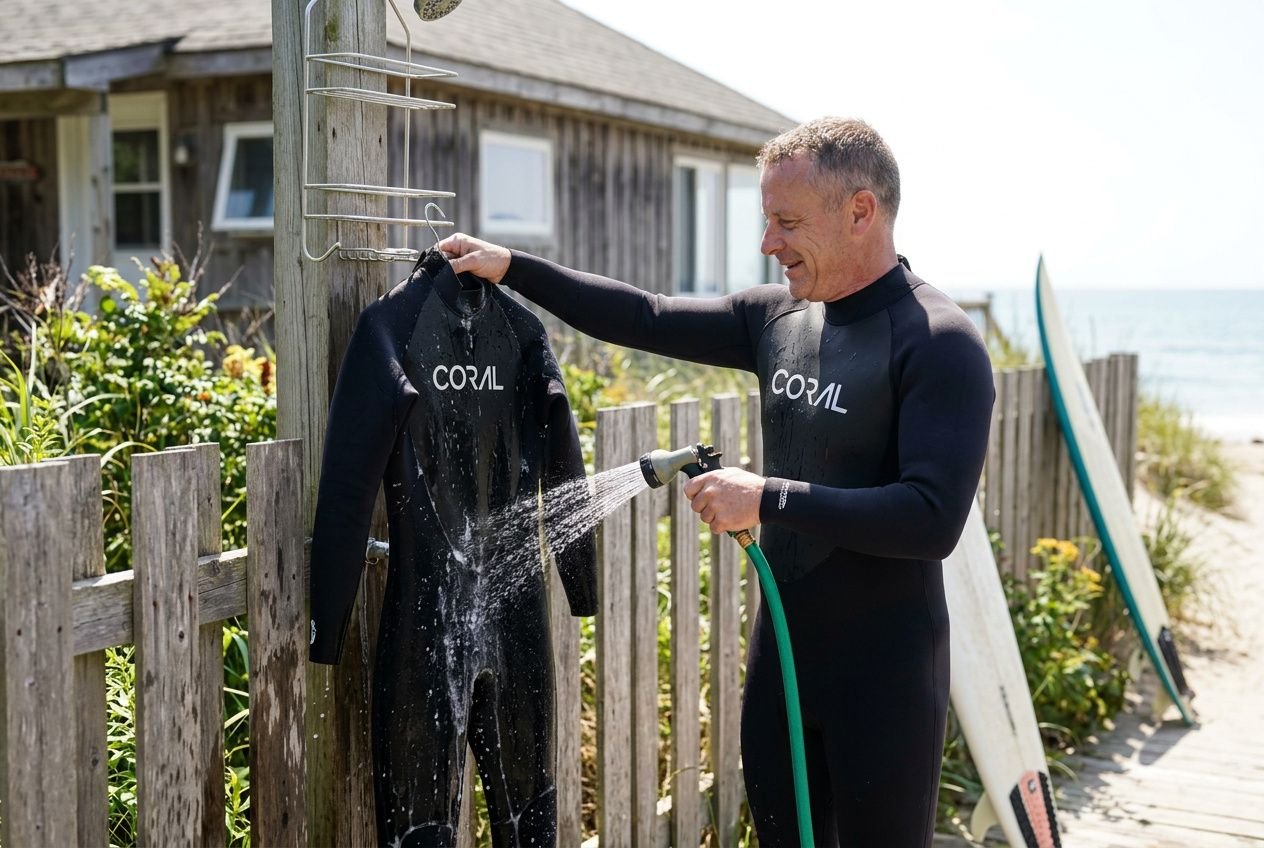
Cold rinse after each use: why it matters
Start by turning the suit inside out—this ensures both the lining and outer shell get a proper rinse. Residual salt crystals affect both sides, so a good flush with cold or lukewarm water does the trick. Avoid heat at all costs, as it causes neoprene to lose its elasticity prematurely.
A garden hose, outdoor shower, or a large tub works perfectly for this step. The method isn't as important as consistency—make it a habit after every session. These are core wetsuit care tips that really pay off.
About ten minutes after rinsing, gently squeeze the excess water from the cuffs at the wrists and ankles. This releases trapped moisture that would otherwise drag out drying time. Don’t wring or twist the suit—this strains the rubber and can ruin the glued seams.
If you’ve urinated in your suit, it’s worth using a dedicated odor-eliminating product. Solutions like Rip Curl Piss Off neutralize bacteria and urine compounds without harming the neoprene, unlike standard detergents.
Deep cleaning your wetsuit at home with shampoo
Do I need to wash my wetsuit after every use? A rinse is mandatory, but a deep clean is only needed monthly. For a thorough job, use a dedicated neoprene cleaner like Gear Aid Shampoo, which comes in handy single-dose sachets.
Dissolve one sachet in a bucket of cold water, submerge the suit for a few minutes, then lift it out—no need to rinse. Hang it to air-dry in the shade, and you’re done. It’s a simple routine that keeps your gear fresh.
After shampooing, a dedicated conditioner can help restore softness and protect the seams. These products are designed to disinfect and clean without being abrasive, tackling the bacterial build-up that causes stubborn smells even after rinsing.
Avoid standard laundry detergent, bleach, fabric softener, or chlorine—these harsh chemicals eat away at the neoprene cells and will void any warranty. In a pinch, mild soap can work, but for reliable care, always opt for products made for the job, as recommended in these wetsuit care tips.
Products to avoid and wetsuit-safe alternatives
Common household products can cause irreversible damage, so knowing what to skip is key to protecting your investment. Always choose solutions made specifically for neoprene—this avoids the risk of harsh chemicals found in general cleaners.
- Hot water and steam cleaners: They break down the glue in seams and cause neoprene to lose stretch, shortening your suit’s lifespan dramatically.
- Washing machines and the dryer: The agitation and heat destroy the material and compromise seam integrity.
- Petroleum-based products and heavy oils: They degrade the neoprene cells and leave a residue that attracts dirt and bacteria.
- Fabric softeners and bleach: They attack the fibers chemically and will invalidate any manufacturer warranty.
Stick to cold water for rinsing and specialized shampoos for cleaning. If odors linger, use targeted cleaners that remove bacteria without harshness. Investing in the right products is far cheaper than replacing a wrecked wetsuit.
Drying your wetsuit correctly to prevent damage
How you proceed to dry your wetsuit right after rinsing has a direct impact on its lifespan. Always opt for a shady, well-ventilated spot. Direct sunlight should be an absolute no-go—UV rays degrade the material's elasticity and lead to permanent deterioration.
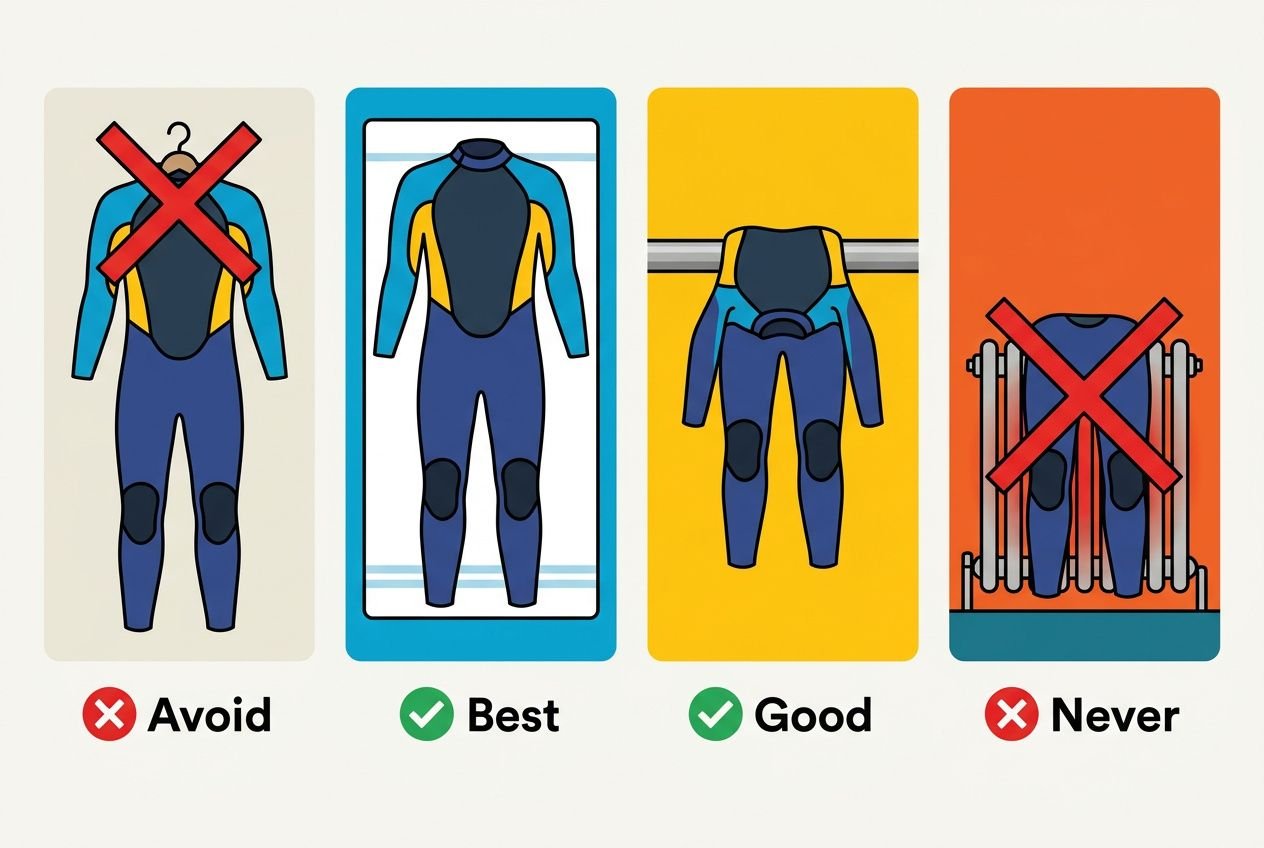
Why direct sunlight and heat harm your wetsuit
The delicate polymers that give neoprene its signature flexibility are broken down by UV radiation. Sun exposure hardens the rubber, and artificial heat sources like radiators or a dryer accelerate oxidation. Adhering to these wetsuit care instructions can significantly extend your suit's usable life.
- UV damage: Prolonged exposure to sunlight makes the material brittle, robbing it of flexibility and promoting premature cracking.
- Heat exposure: Intense heat permanently alters the material's molecular structure, destroying its natural stretch.
- Combination damage: When harsh sunlight and high temperatures combine, the resulting damage accelerates the degradation process.
- Glued seam breakdown: Heat weakens the adhesive bonds at the seams, causing them to fail long before the rest of the suit shows significant wear.
A shaded patio, a ventilated bathroom, or a cool room corner are all excellent choices. The aim is to ensure good airflow while completely avoiding direct sunlight and heat. A little patience during drying pays off immensely in long-term durability.
Flat drying vs hanging: what the experts recommend
Draping a waterlogged suit on a standard hanger stretches the shoulders from the weight. For the best care, lay it flat in the shade or fold it over a wide, padded bar. An occasional wash with a specialized wetsuit shampoo also helps maintain the material's softness and condition.
To ensure the thick inner lining dries properly and to prevent mildew, start by turning the suit inside-out. Once the interior is completely dry, flip it back to its normal side to finish the process. Gently squeezing excess water from the cuffs at the ankles and wrists will also speed up drying.
| Drying method | Duration | Risk level | Best for |
| Flat on ground in shade | 12–24 hours | Very low | Thick suits, heavy materials |
| Horizontal bar at waist | 8–16 hours | Low | Standard 3mm suits |
| Wide hanger at waist | 8–16 hours | Low | Thin or spring suits |
| Direct sunlight (vertical) | 4–6 hours | Critical | Never use |
| Narrow wire hanger | 8 hours | High | Avoid completely |
Before storing your wetsuit away, confirm it is entirely dry, inside and out. Any trapped moisture encourages bacteria growth that causes persistent odors, which are difficult to eliminate even with strong shampoo. This final step of proper drying is crucial for maximizing the lifespan of your investment.
Storing, Transporting and Repairing Your Wetsuit
Storing your wetsuit correctly between sessions prevents damage that a simple rinse can't fix. Leaving a suit in a damp basement or exposing it to high heat will degrade the material much faster. Properly learning how to wash a wetsuit at home also includes mastering storage discipline and careful handling.

Best Practices for Long-Term Wetsuit Storage
The best way to store your wetsuit is to drape it over a wide hanger in a cool, dry closet. You can also lay it flat in a drawer or fold it loosely inside a breathable bag. Avoid placing heavy objects on top of it for long periods.
Don't fold it tightly along the same crease every time. Constant compression makes the neoprene crack, leading to irreversible damage and letting cold water in. Good storage habits are as crucial as cleaning for maximizing your suit's lifespan.
- Breathable mesh bags: They offer excellent air circulation while shielding the material from dust during off-season storage.
- Cool, dry spots: Indoor closets or spare rooms maintain a stable temperature much better than sheds or garages.
- Wide hangers: Folding the suit at the waist helps distribute the weight and prevents the shoulders from stretching out.
- Flat storage with space: Laying it flat under a bed—with enough clearance—avoids compression while still allowing air to flow.
Make a habit of checking your stored wetsuit every month for mold or odd smells. Keep the storage area completely dry. If you notice a musty odor, give it a full fresh water rinse and clean before putting it back.
Protecting Your Wetsuit During Transport and Changing
Always change on a soft surface like grass or a dedicated mat. Avoid rough concrete or gravel—they can scratch and damage the neoprene quickly. These wetsuit care tips stop small scratches from becoming big rips.
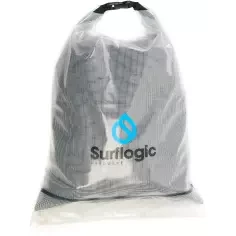
A waterproof bag protects your gear during transport and contains any sand or dirt. A wetsuit change mat works perfectly as a dry bag in your car. Transport your suit inside-out, and keep it out of hot trunks to prevent heat damage.
Be gentle when putting it on—sharp fingernails can easily tear the material. For transport, rolling is better than folding to avoid creases and deformation. Taking a moment to pick a good changing spot helps protect your investment.
Zipper Care and Basic Neoprene Repair at Home
Apply a dedicated zipper wax every few months to keep it sliding smoothly. This routine prevents salt from jamming the mechanism and extends the hardware's lifespan. If the zipper sticks, rinse off salt with water before reapplying lubricant.
Small tears are simple to fix with a neoprene-specific adhesive. Clean the area of any oils, apply the glue evenly, and press the edges together overnight. Addressing small issues right away stops them from becoming major repairs.
Recommended products
Frequently Asked Questions
It's best to avoid them completely. Standard detergents are too harsh on the neoprene and will damage the glued seams. Stick to a dedicated wetsuit shampoo or a mild natural soap instead. A small investment in the right product saves you from major repair costs later.
Rinse it thoroughly with fresh water as soon as you're out of the ocean. Then, use a specialist cleaner, something like Rip Curl Piss Off works well to neutralize the urine without causing any damage. This does a far better job than regular shampoo at preventing lasting odors that plain water can't fully remove.
Aim for a full clean with wetsuit shampoo every three to five sessions. In between, always give it a quick rinse with fresh water right after use. This balance keeps your wetsuit in great shape, the neoprene stays supple, and you avoid unnecessary wear.
Share this article: