Shopping Cart
There are no more items in your cart


Are you supposed to stand up on a boogie board?


Whether you are supposed to stand up on a boogie board is a question many riders ask. This article explains the three recognised riding stances, separates stand-up from prone bodyboarding, and helps you choose the right approach for your level and the conditions.
Should you stand on a bodyboard?
The short answer is no, not by default. Standard bodyboarding is built around lying flat on the board and reading the wave from a low, stable position. Worth knowing before you buy: the board you choose determines which stance is practical.
Traditional ways to ride the board
Bodyboarding recognises three core riding stances, and understanding them tells you everything about where standing fits in the sport. The list below includes the three stances plus a note on whitewater boogie boarding, which is a learning context rather than a distinct stance. The prone position, with you lying flat on the foam deck, is the foundation. Drop-knee places one knee on the board while the other foot plants forward, creating a stance closer to surfing without becoming fully upright.
- Prone Lying flat on the board, stomach down, this is the fastest way into a wave and the default for beginners and experienced bodyboarders alike.
- Drop-knee One knee stays on the deck while one foot plants forward. It is the recognised stance closest to stand-up surfing.
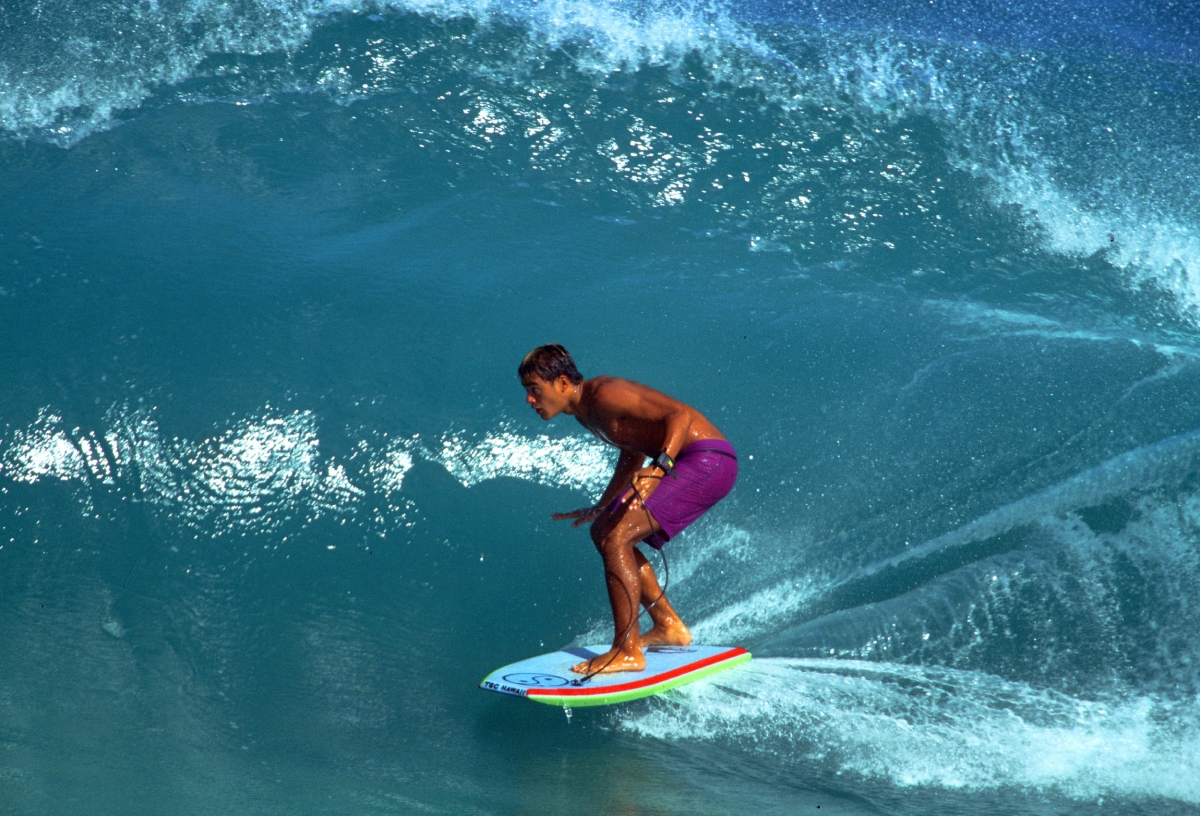
- Stand-up Both feet are on the board and the rider is fully upright. It is a legitimate but less common riding form that demands advanced balance and precise weight transfer from rail to rail.
- Boogie boarding (whitewater) This entry-level form of riding takes place in the whitewater zone and is almost always done prone. It helps you learn how the board responds to sea movement before you attempt more technical manoeuvres.
Whether you are supposed to stand up on a boogie board comes down to your aim. If you want to master bodyboarding as the sport defines it, prone and drop-knee are the standard path. Stand-up riding has its own technique and history, but remains an advanced option; on the water, that matters when you decide where to start.
| Stance | Position | Difficulty | Popularity |
| Prone | Lying down, flat on board | Beginner-friendly | Most common |
| Drop-knee | One knee, one foot forward | Intermediate | Moderate |
| Stand-up | Both feet, fully upright | Advanced | Least common |
Why prone riding is standard
Prone riding is standard because it lowers your centre of gravity, maximises stability, and lets you enter a wave without constantly fighting for balance. You lie flat, trim your weight forwards or backwards, and let the wave provide the speed. You can stand on a boogie board, but its design is not centred on that stance.
A bodyboard is finless, flexible and short, typically 100 to 110 cm, so an upright rider cannot depend on fins for grip. Each turn requires a hip shift or a change in heel-to-rail pressure. For riders without solid water experience, standing is therefore more demanding and more dangerous than lying down.
When standing is possible
Standing becomes possible for an experienced rider with the balance and wave-reading skills to compensate for a finless, flexible board beneath the feet. In practice, lighter riders often find the pop-up easier because less mass destabilises the board during the transition. Stand-up bodyboarding combines surfing awareness with bodyboarding instincts: you use your hips and heels instead of fins. The front foot guides the rail. The back foot steers much like a snowboard binding.
At least one stringer running through the foam is necessary to prevent it from snapping or folding underfoot. A narrower outline and a crescent tail add directional control. Mundo-Surf's bodyboards online store carries boards for different riding styles, so check the stringer count and outline before buying.
Choosing the right riding style
The right choice when starting out is prone riding. It is the quickest route to catching real waves, reading ocean conditions, and building the water confidence on which every other stance depends. Once prone riding feels natural, drop-knee is a logical next step: it shifts your weight back, changes the ride feel, and introduces a surfer-like carving sensation without the full instability of standing. An Indoboard balance board used dry on land develops the balance that drop-knee and stand-up riding demand before you commit to either stance in real surf.
Frequently asked questions
Is there a difference between a boogie board and a bodyboard?
In everyday use, a boogie board and a bodyboard describe the same short, foam-core board designed for riding a wave. “Boogie board” began as a brand-derived nickname, while “bodyboard” is the technical term used by the sport. You can ride prone, drop-knee or standing on the same flexible, finless board. For equipment, sizing and brand selection, Mundo-Surf’s range covers the relevant specifications whatever term you use.
How do you bodyboard correctly as a beginner?
Start prone. Lie flat on the bodyboard with your chest near the nose, kick with fins to build speed, and let the wave carry you into the whitewater before you progress to the green face. Keep your elbows on the deck, hold the nose rails and shift your weight to steer. This position develops the wave-reading instincts and stability you need for more advanced riding, including drop-knee. On the water, that matters: master prone riding first, because every other stance builds on it.
Did stand-up bodyboarding ever have a competitive scene?
Yes. The sport reached its peak between the 1980s and 1990s, when pioneers such as Danny Kim, Cavin Yap and Chris Won Taloa performed aggressive carves, aerials and deep barrels while standing on a bodyboard. Stand-up bodyboarders initially competed in the same division as prone and drop-knee riders. Controversy at the 1996 World Games in Brazil over scoring standing manoeuvres eventually led to stand-up riding being excluded from competitive bodyboarding. A small community of dedicated riders still keeps the discipline alive, notably in Hawaii, Tahiti and Australia.
Share this article: