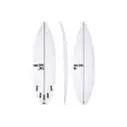
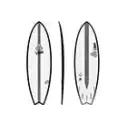
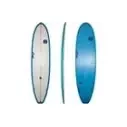
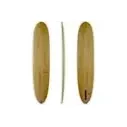
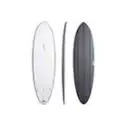
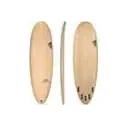
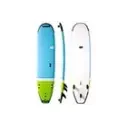
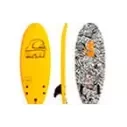
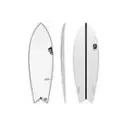
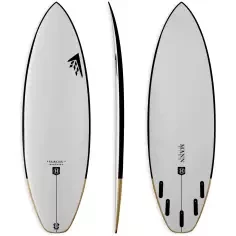
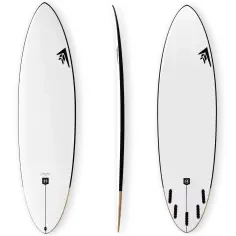
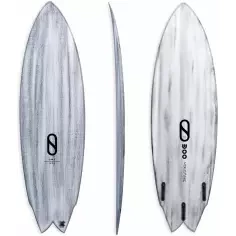
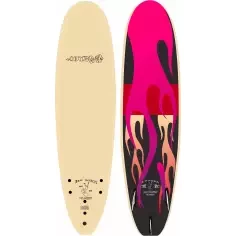
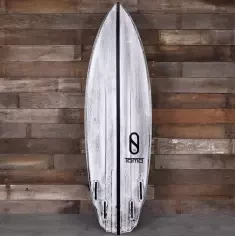
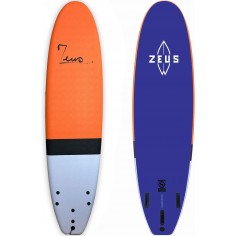
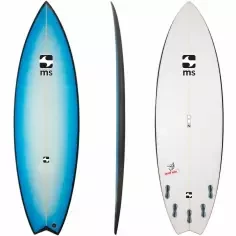
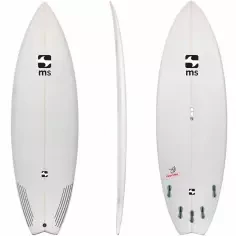
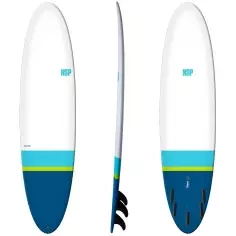
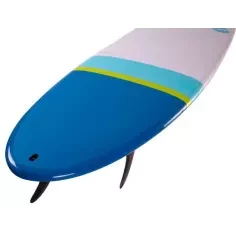
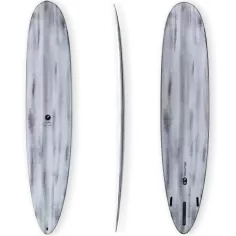
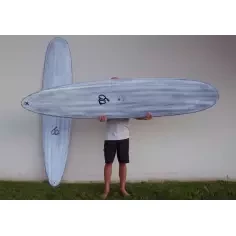
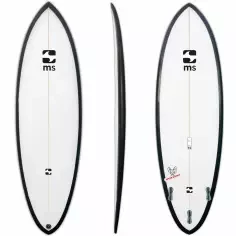
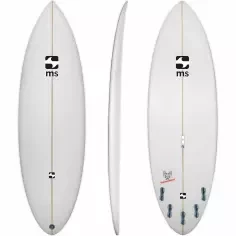
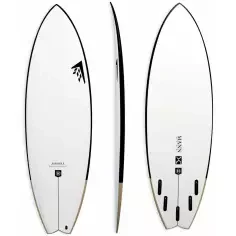
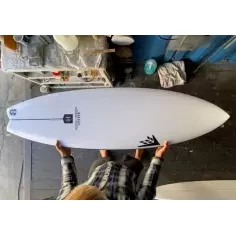
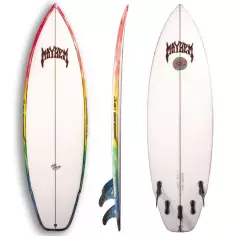
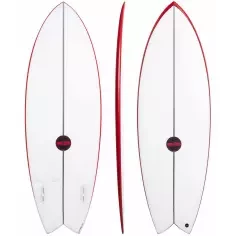
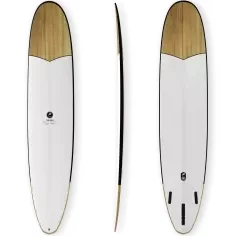
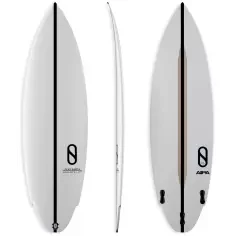
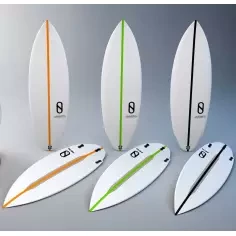
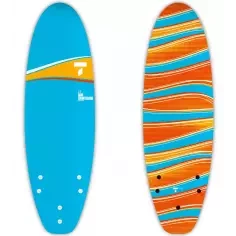
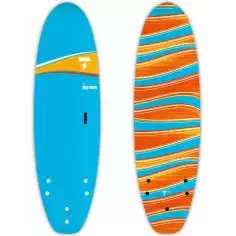
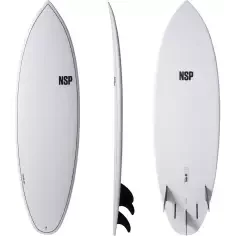
The choice of a surfboard directly affects both your progression and how much you enjoy yourself in the water. Whatever your level, having a suitable board is essential so you can paddle efficiently, stand up consistently and make the most of the usual conditions at your spot. You can choose from various types of boards: softboards for beginners, evolutive boards for the progression stage, and shortboards for more technically skilled surfers. When that initial doubt arises, keep this in mind: the guide on how to choose your surfboard helps you understand dimensions, volume and real-world use.
Frequently asked questions about choosing a surfboard
Which surfboard to choose according to your level and conditions
The key factor in your choice is the combination of your skill level, weight, height, physical condition and the type of wave. In practice, a longer, wider board with more volume offers better paddling and stability; a shorter, more reactive board demands more technique but responds better in maneuvers.
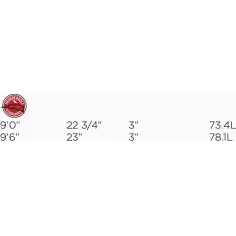
As a useful reference: a beginner usually finds it easier to progress with higher volume ranges, often between 45 and 70 liters depending on their weight and the board’s outline. An intermediate surfer can drop that volume once they already generate their own speed, while an advanced surfer prioritizes the shape and how the board behaves in a specific type of wave. What really makes the difference here is not just the design, but how well the board matches your most frequent conditions.
Surfboard materials: foam, fiberglass and resin
Most surfboards are built with a polyurethane (PU) or expanded polystyrene (EPS) foam core, laminated with fiberglass and polyester resin or epoxy. What distinguishes one board from another under these conditions is the balance between flex, weight, durability and ease of repair.
Generally speaking: PU with polyester offers a classic feel and a flex pattern that is highly valued in rail surfing. EPS with epoxy usually provides lower weight, more equivalent buoyancy and good resistance to intensive use. If there is only one takeaway, it’s that you should choose the material according to the feel you are looking for in the water and how often you surf.
Where to buy surfboards with the right criteria
Rather than focusing only on stock, it’s worth looking closely at the technical information provided: dimensions, volume, construction, fin setup and delivery time. At Mundo-Surf, the useful approach is to compare families such as shortboards or longboards according to the intended use, not just aesthetics or brand.
How to transport surfboards in a van
You can carry them on the roof with tie-down accessories or inside the vehicle with a storage system. When carrying several boards, keep in mind that excessive pressure, direct sunlight and poorly distributed contact points can cause pressure dents, delaminations or dings on the rails and nose/tail.
Surfboards for beginners: softboards and first shapes
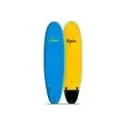
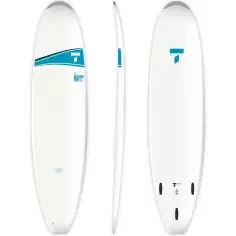
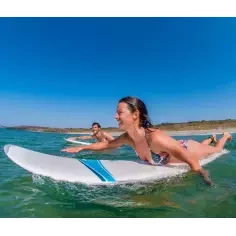
To get started, a softboard is usually the most logical option. It offers plenty of stability, a lot of flotation and a more forgiving feel for typical learning mistakes, especially in whitewater and small waves between 0.5 and 1.5 meters.
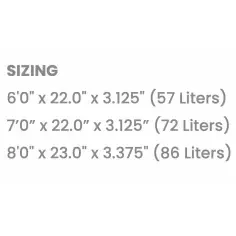
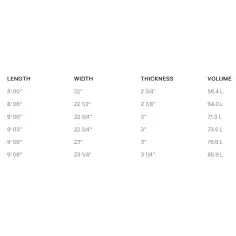
As a reference, many adult beginners progress better with sizes between 7’0” and 8’0”, or even longer if they weigh more than 85 kg or have limited physical conditioning. What really makes the difference here is making it easier to pop up and read the basic shape of the wave before thinking about tighter turns.
Evolutive board for moving from beginner to intermediate
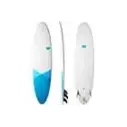
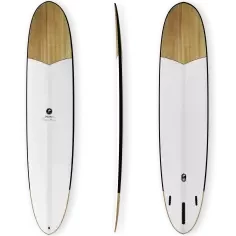
An evolutive board is a good fit once you have control over paddling, popping up and are starting to go down the line with some direction. It keeps volume and stability but offers a livelier response than a softboard or a very basic mini-mal.
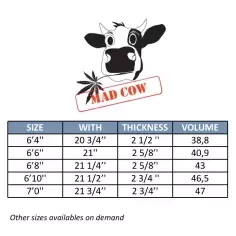
In practice, this type of board is usually between 6’6” and 7’6”, with intermediate volumes that let you keep catching plenty of waves without holding back your technical progression. The deciding factor is whether you still clearly need paddling help or can already sacrifice some flotation to gain maneuverability.
How to customize a made-to-measure surfboard
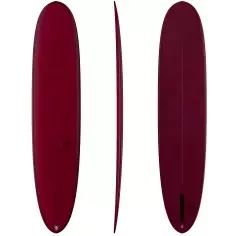
Yes, a custom-made board can be personalized in terms of dimensions, finish and, depending on the model, also paint. What really makes the difference here is clearly defining your goal: paddling more efficiently, surfing smaller waves, gaining control on the face, or tuning the board to a specific weight and skill level.
You can usually tweak the width, thickness and some aspects of the shape. If there is only one key point, it’s not to change several dimensions at once without a clear rationale: just a few millimeters can significantly alter how the board behaves.
Surfboards in stock versus custom-made surfboards
On each product page, it’s worth checking two pieces of information: technical specifications and delivery time. This tells you whether the board is available for shipping within a few days or if it will go into a custom manufacturing process.
If the delivery time is short, it usually means a stock board. If the lead time is roughly more than a month, it generally corresponds to a custom build. When comparing both options, bear in mind: stock lets you get the board sooner; custom lets you fine-tune dimensions, finish and feel according to your real-life surfing.
In practice, brands like Firewire, Slater Design, NSP, Torq, Ryder, Catch Surf, Softech, Indio, Quiksilver, Tahe, Zeus or Hayden Shapes usually show more immediate availability. Others such as Channel Island, Lost, Pukas, Pyzel, Soul, Timmy Patterson, Simon Anderson or MS Surfboards are more likely to depend on specific manufacturing.